Klassik’s CSR initiatives

At Klassik, we truly believe that CSR extends beyond just financial contributions. Our team has aimed to make a positive impact by empowering local communities through our CSR efforts.

We want to create tangible, lasting impacts, and one of our core commitments has been investing in the development of local schools. We provide support that addresses real needs and makes a direct difference in the lives of students and educators.

Our various initiatives over the years include not only building roads to schools but also donating water coolers to ensure students stay hydrated and helping with infrastructure repairs to create better learning environments for the kids.

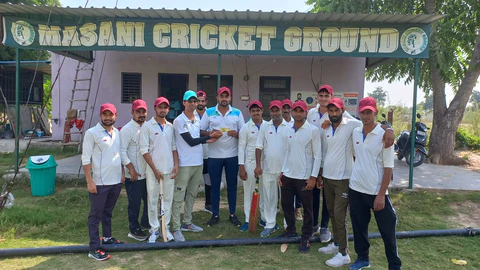
This year’s CSR initiative has been a special and important one. We have worked towards improving the outdoor facilities in two local schools near our factory- one primary and one secondary. This initiative was born out of a common problem faced by students and teachers alike- an unpaved ground that was difficult to use. The ground was practically unusable due to it being a pit. It was hard for the schools to use as children could not sit or play on it without ruining their clothes; during rainy days, it would become a muddy mess; and on windy days, the dust would be hazardous to the eyes and lungs. This made having any outdoor activities impossible.

We wanted to step in and provide a solution that would benefit the students, teachers, and the community at large and so we decided to transform the barren land into a permanent, usable ground by installing interlocking tiles. We wanted to ensure that the school had a clean, safe, and durable surface for students to engage in outdoor activities.
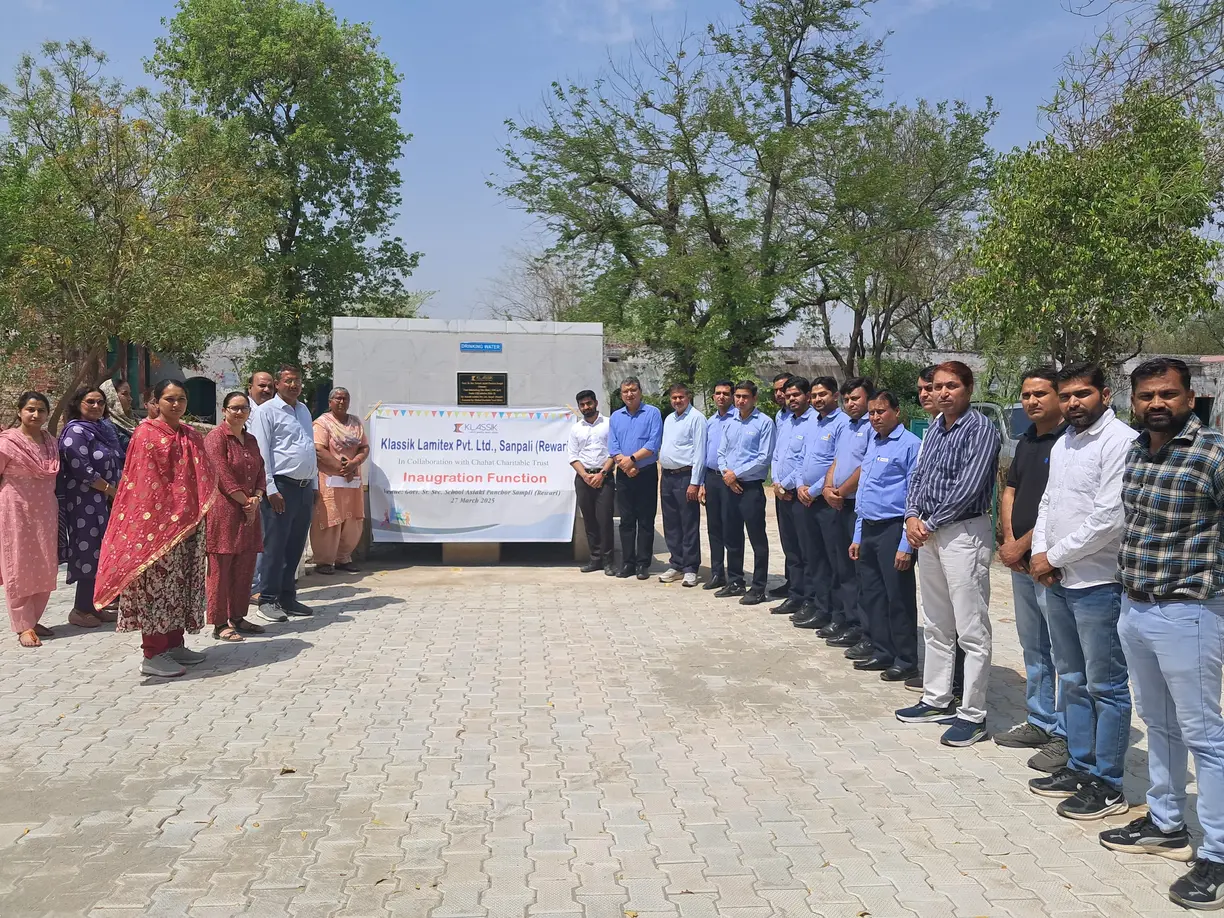
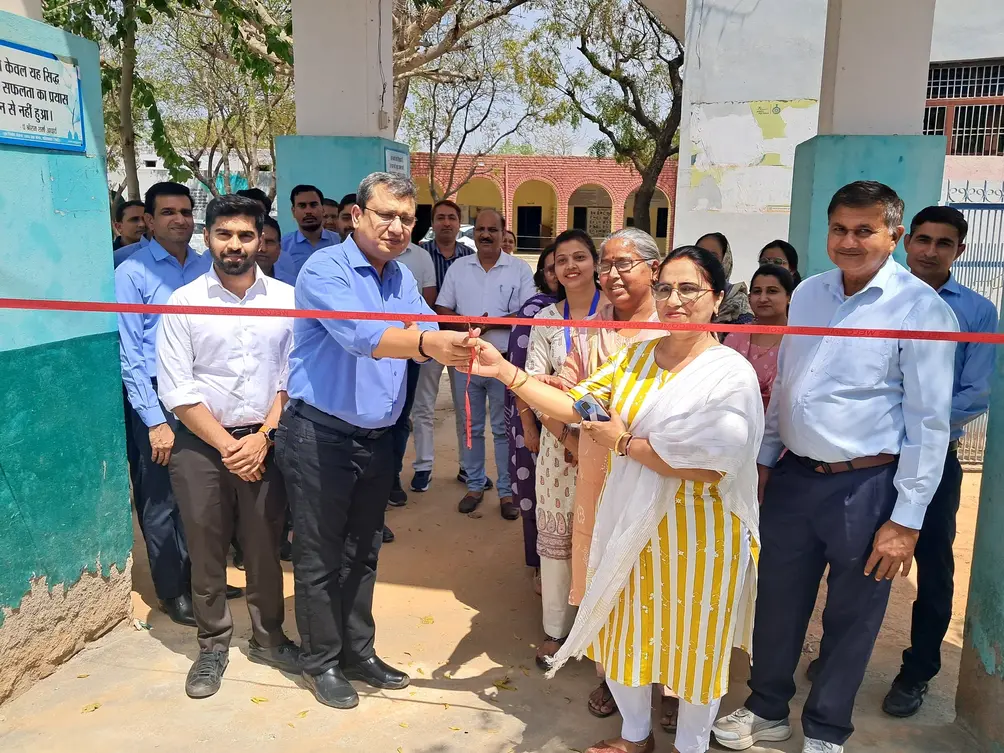
Our team was invited for the inauguration of the newly built ground with a very special welcome. We got a chance to interact with the faculty as they expressed their gratitude for the latest development. They were looking forward to using the new ground. Their response was overwhelming, making us trust that our efforts are going in the right place for the right reasons. With CSR, it is very essential to choose projects that will make positive impacts tomorrow, starting today.

At Klassik, all our initiatives are chosen by the team and not the top management, making them all the more meaningful. They help the company identify pressing issues and ensure more involvement in the community. These are employees who are deeply connected to the community and understand the challenges they face. With their help, we are able to tackle one concern at a time with our CSR efforts. We will continue our efforts in supporting local schools and creating a better environment for the leaders of tomorrow.

Our future plan is to expand our CSR initiatives to include even more projects that improve education and infrastructure for the new generations.  
Published on
April 8, 2025
Share

More from Klassik

New BIS Norms for the Indian footwear Industry

Footwear has always been a fundamental part of the dynamic world of fashion. With an array of styles and materials available, consumers expect not only trendy designs but also high-quality products that prioritise comfort, safety, and durability, which is why our clients at Klassik request the same. The Bureau of Indian Standards (BIS) recently stepped in to ensure that footwear manufacturing adheres to certain strict quality standards. We live in an ever-changing world and are always expected to adjust to the ‘new normal’. That being said, as a company, Klassik always ensures that adjusting to novelty is a seamless process for us as well as our clients.

The BIS, or Bureau of Indian Standards, is a national body in India responsible for setting standards for various products, including footwear. These mandatory quality standards are created to ensure that small-scale, medium-scale and large-scale footwear manufacturers produce safe, reliable, and high-quality products. These various norms for footwear manufacturing encompass a wide range of aspects, including material specifications, testing procedures, and labelling requirements.

“The standards prescribe what kind of raw material like leather, PVC, and rubber to be used in manufacturing footwear besides norms on making soles and heels, among other parts of the footwear.” says an article in The Economic Times.

This step is essentially being taken so that India can maintain the same quality standards that you see globally. As a country, we are growing and evolving and want to maintain the same standards as our peers.

As per the norms BIS all PVC products are now meant to be phthalate-free. Phthalates are a group of synthetic chemicals that are used to manufacture a wide range of products and are now banned from the PVC industry. They have many harmful side effects and we as a company stand against using chemicals that don’t benefit our clients in any way whatsoever.

Another part of the BIS norm states that the tearing strength of PVC products used as uppers should be more than 3kg to ensure durability, which essentially means that a force of 3kg or greater needs to be applied to tear the PVC textile through and through. For this reason, all products manufactured by us follow this norm very specifically and are termed as high-tear.

The change in norms made by the BIS did create a buzz in the manufacturing industry however, for us at Klassik, we were more than accommodating to this development. Klassik possesses all the required equipment and machinery to adhere to these standard norms. The PVR leather we manufacture for footwear already meets the requirements of these norms due to the state-of-the-art infrastructure we have invested in.

As a company, we believe in investing in the future, and that mindset has stood advantageous to us today as we can seamlessly adjust to the changing and upgrading norms of the industry and supply only the best material to our clientele in India and abroad. This is also the reason why the new BIS norms do not pose a threat to our production process, or change in prices. Thus maintaining the same high-quality standards without anything affecting our relationship with our clients and factory workers.

Role of fabric backer in PVC textiles

Nothing ever works without a backing, not even artificial leather. Artificial leather or PVC leather is in reality PVC coated textiles. There are layers created to achieve the final product and a very essential layer is that of a fabric backer. Let’s talk about the crucial role a fabric backer plays in the final PVC leather product.

When it comes to PVC textiles, one crucial component that is not talked about often enough is the fabric backer. This is an unseen layer in the final product and plays a pivotal role in providing structure, strength, and durability to PVC leather, making it an indispensable element and an important step during artificial leather production.

A PVC textile without a fabric backer would be like a ship without a sail, lacking the necessary support to be a strong piece of fabric to use on a variety of furniture pieces, footwear, automotive etc. The fabric backer is what transforms a flimsy and thin PVC sheet into a robust and strong material which is capable of withstanding rigorous use and maintaining its quality as time passes.

One of the primary functions of a fabric backer is to add strength to the PVC textile. Without it, the fabric would simply lack the necessary strength and be susceptible to easy wear and tear along with other mechanical stresses. This is why we ensure that every product has a strong and durable backing.

Moreover, a fabric backer can also enhance the dimensional stability of artificial leather. When combined with the PVC layer, it prevents the material from warping or getting distorted when it’s exposed to varying environmental conditions, such as temperature changes or exposure to moisture. Fabric backing ensures that the fabric maintains its intended shape and appearance, contributing to its longevity and visual appeal.

Another significant benefit of a fabric backer is that it improves the overall look and feel and handling of PVC leather. By providing a smooth and consistent surface at the back, the fabric backer truly enhances the user’s experience and makes it easier to work with the fabric while installing and maintaining it.

So, how is a fabric backer made?

Much like any other material, the fabric backer is made via knitting and weaving. But when it comes to the final process of how it is added to create the final PVC leather product, the process is different.

The process typically involves geling the PVC resin on an existing fabric backer and further processing it through big ovens to get the final, desired artificial leather. A strong bond is created between the layers of the PVC resin and fabric backer to ensure they merge well together to produce the final fabric. Going through intense heat in the ovens ensures that the fabric backer is effectively reinforced in the PVC resin.

We do customize the thickness and composition of the fabric backer to meet specific performance requirements. We work closely with our global and domestic suppliers for R&D and fabric innovation to stay up to date with what’s best out there. Having a fabric backer to create the final artificial leather products adds to the characteristics of the fabric being fire-retardant, antimicrobial, and more. However, this is not a one-step process. For example most fabrics are generally made from polyester, but to achieve the desired fire-retardant specification we blend polyester with cotton.

In conclusion, the fabric backer is a critical component that significantly enhances the performance, durability, and versatility of all PVC leather. Without it, it’s not possible to make high-quality, long-lasting artificial leather.

The Benefits of Fire-Resistant Artificial Leather

In recent years, the demand for fire-resistant or fire-retardant PVC leather has gone up a significant amount, especially when it comes to public spaces and hotels where safety is of utmost importance although people use fire-retardant artificial leather in their homes too. Today, we will explore the significance of fire resistance in artificial leather and shed light on the various fire standards we have available - CRIB 0, CRIB 1, NFPA 260, CAL TB 117, DIN 4102-B2, EN 1021, 1&2, and CRIB 5. We will also delve into the challenges faced while manufacturing this product and in achieving the stringent CRIB 5 standard and how reputable external labs help in providing credibility through rigorous testing and certification for our products.

Different countries require different fire standards - CRIB 0, CRIB 1 AND CRIBE 5 come under the UK norms, NFPA 260 and CAL TB 117 come under the USA norms, DIN 4102-B2 comes under the Germany norms and lastly EN 1021, 1&2 comes under the EU norms. Our company follows all these norms and supplies fire-resistant artificial leather to all these countries.

The fire standards, namely CRIB 0, CRIB 1, and CRIB 5 serve as benchmarks to determine the fire resistance of the artificial leather. The CRIB 0 test involves exposing the material to a matchbox flame, while the CRIB 1 test simulates a cigarette burn. These standards indicate that while the material may catch fire, it will self-extinguish and prevent the spread of flames during small accidents. The NFPA 260 uses standard methods of tests and a classification system for cigarette ignition resistance on the fabric. The CAL TB 117 test requires the fabric to withstand 12 seconds of an open flame without letting it spread. The DIN 4102-B2 test involves the fabric being suspended vertically with a 20mm high flame being applied for 15 seconds. The EN 1021, 1&2 examines the fabric’s reaction with a burning cigarette and butane flame.

On the other hand, CRIB 5, which is the highest fire standard, poses a significant challenge due to its technical complexity. It is a mandatory requirement for public spaces and hotels, emphasising the need for PVC leather that offers exceptional fire resistance. Achieving CRIB 5 certification is not an easy feat, and only select companies possess the expertise to produce such products, Klassik being one of them.

To ensure the reliability and credibility of fire-resistant artificial leather, manufacturers often rely on the services of external laboratories such as SGS. SGS is a renowned global testing and certification agency that operates labs worldwide, providing comprehensive assessments of various materials. In the case of our CRIB 5 artificial leather, we have gone the extra mile to obtain certification from both Indian and UK SGS labs. This dual certification enhances the credibility and authenticity of our fire-retardant artificial leather, assuring customers and clients that the product has undergone rigorous testing and meets the stringent CRIB 5 standards.

We produce a whole range of fire-resistant artificial leather products - one conforming to CRIB 0 and CRIB 1, and the other meeting the challenging CRIB 5 standard - and all of these have distinct advantages. While both CRIB 0 and CRIB 1 provide a certain level of fire resistance, CRIB 5 artificial leather provides superior protection, making it ideal for high-risk environments. By utilising CRIB 5 artificial leather, public spaces, hotels, boats etc. can significantly enhance their fire safety measures, mitigating the risk of fire-related incidents and protecting the lives of occupants. Additionally, the utilisation of such materials promotes compliance with fire safety regulations, demonstrating a commitment to ensuring the well-being of visitors and employees.

Fire resistance is a crucial aspect to consider when selecting materials for public spaces and hotels. The three fire standards - CRIB 0, CRIB 1, and CRIB 5 - serve as essential benchmarks in evaluating the fire resistance of artificial leather. While achieving CRIB 5 certification presents a significant challenge, it offers unparalleled safety benefits and peace of mind, and we are here to make it easy for our customers.

Safety is always a priority and by investing in our machinery and gaining credible certification, we aim to offer the best and safest fire-resistant artificial leather to our trusted clientele.